

Every summer, thousands of early-career professionals walk into offices across the country carrying the same mix of ambition and nervousness. They pay close attention to everything around them — not just the work, but the culture, the leadership, and who seems genuinely invested in their success.
An intern’s experience in those months often shapes how they think about the professional world for years to come. That is a significant responsibility and opportunity, yet most organizations are not taking it seriously enough.
For too long, internship programs have been built around a single question: Can this person contribute?
This framing treats the experience as a three-month audition, a low-stakes trial run where the organization evaluates talent, and the intern tries not to make mistakes. It is transactional, and it produces transactional results: a line on a resume, the promise of a recommendation, and a handshake at the door on the last day.
The organizations getting it right ask a different question: How do we help this person grow?
That simple reframing transforms an intern’s contributions entirely. Supervisors or intern managers move away from busy work and toward projects with real stakes and visibility. Feedback shifts from a final performance review to an ongoing, honest conversation. And the organization gains a clear understanding of how the person performs under pressure, providing a realistic view of how they would contribute to the team and enabling more informed, reliable hiring decisions. When built with intention, this relationship starts to look a lot like mentorship.
Mentorship is not an extra; it is a leadership skill. The best mentors:
- Make time not when it is convenient but because it is a crucial part of the job
- Share wins and failures, explaining what those moments taught them
- Ask questions that build critical thinking, rather than handing answers
When mentorship is embedded into an internship, benefits compound. Junior staff practice management; mid-level employees sharpen people-leader skills; and the organization grows a pipeline of leaders who know how to teach. For communications teams, that translates into faster onboarding, stronger creative collaboration, and more diverse perspectives. People who were mentored well tend to become great mentors themselves. Building this pipeline requires every level of an organization to take seriously the idea that developing others is not secondary to their own work; it is inseparable from it.
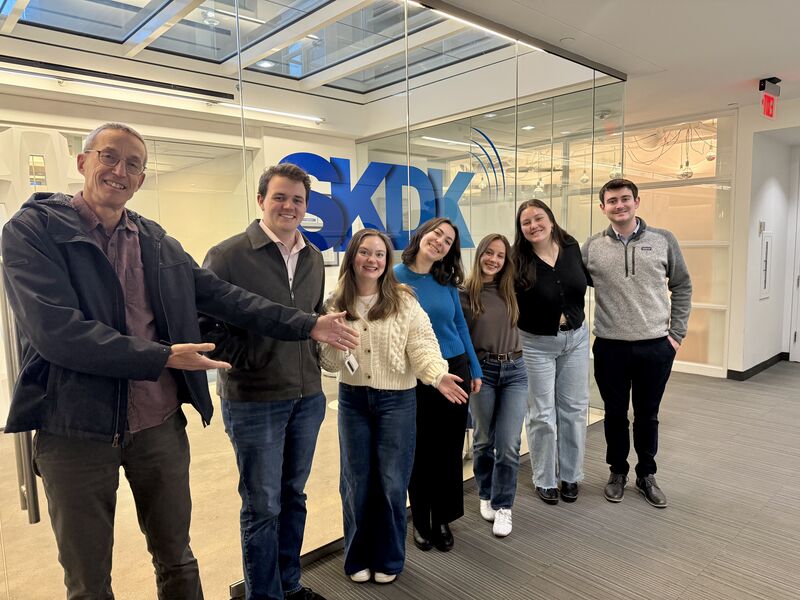
At SKDK, interns are part of our year-round workforce across three classes a year. After training, interns become full members of client teams and gain hands-on experience—from advertising and message development to brand management and public announcements. Many of our team members were once interns; that continuity produces a seamless transition for new staff and strengthens institutional knowledge.
A valuable takeaway: assign interns visible, measurable projects and schedule weekly check-ins. The people you train this summer will write your organization’s case studies tomorrow. If we want a healthier, more innovative communications industry in ten years, it starts with reshaping how we welcome the curious, ambitious people who walk through our doors for a season. The pipeline will not build itself, and it will not sustain itself without intentional investment.
Mara Kaplan is a Senior Associate on SKDK’s Operations and Marketing teams and DC intern coordinator.